
How Proper Ground Cover Reduces Bugs and Protects Your Yard
Mulching plays a big role in pest management because it changes how insects live around your home. When done the right way, mulching can block pests, reduce moisture problems, and protect plants from damage. When done the wrong way, it can attract bugs and even rodents. The key is knowing how thick to spread it, where to place it, and what material to use.
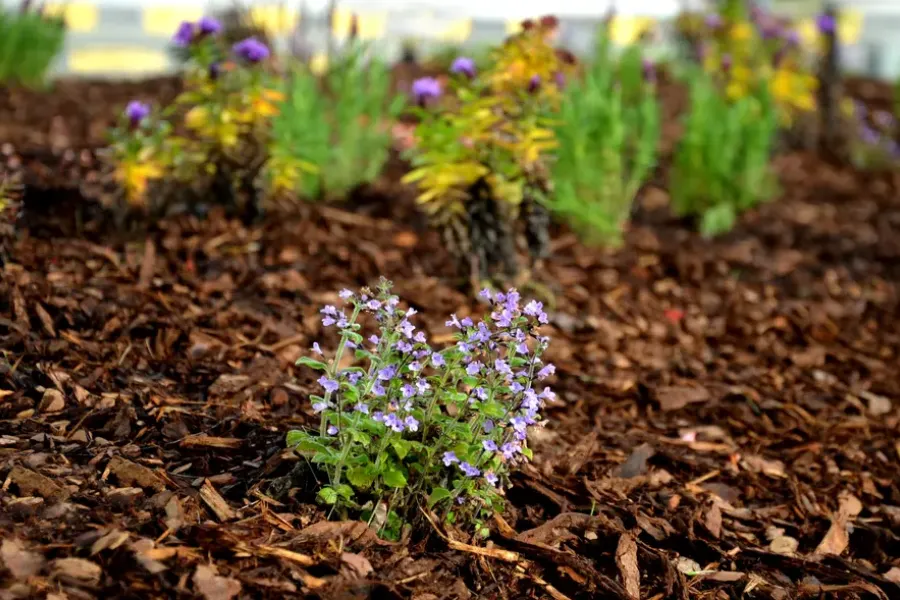
Why Prevention Matters
Pests look for three things: food, water, and shelter. A yard with exposed soil can become a perfect home for ants, termites, and other insects. Mulching helps by sealing the soil surface. It keeps weeds down and controls moisture levels. Healthy plants are less likely to attract bugs.
But too much mulch, or mulch piled against your house, can trap moisture. That wet space becomes a hiding spot for pests. Good pest management starts with smart yard habits. Ground cover is one of the most basic parts.
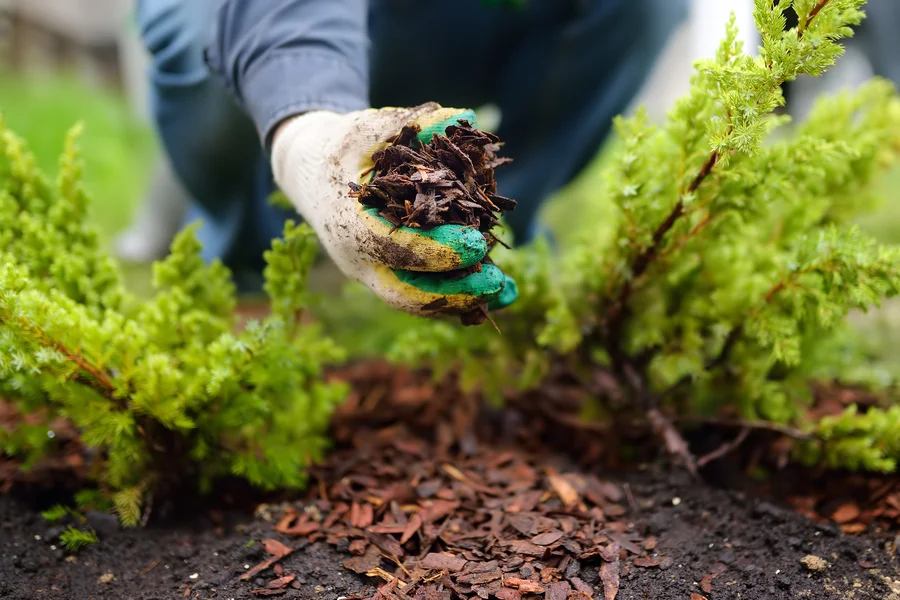
Early Warning Signs of Pest Problems
Before pests get out of control, you may see small signs. Watch for these changes in your yard:
- Ant hills forming near garden beds
- Wood mulch breaking down into soft, damp piles
- Termite tubes along your foundation
- Gnats or flies hovering over moist areas
- Plants with chewed leaves or weak stems
If you notice these issues, check your mulch depth and placement first. Often, a simple adjustment can lower pest activity.
Seasonal Mulch and Pest Checklist
Mulching should be part of your regular yard routine. Each season brings different pests and weather changes. A simple checklist keeps things under control:
- Spring: Refresh mulch to about 2 to 3 inches deep.
- Summer: Check for soggy spots after heavy rain.
- Fall: Clear leaves before adding new material.
- Winter: Keep mulch a few inches away from your home’s base.
This routine helps with moisture control and supports pest management throughout the year. In wet climates, thin layers work better. In dry areas, mulch helps keep roots cool and damp without overwatering.
Best Practices for Long-Term Results
Mulching is not just about spreading wood chips. The type and method matter.
Organic materials like bark, wood chips, and pine straw improve soil over time. They break down slowly and feed beneficial microbes. Inorganic options like rubber do not attract insects as easily, but they also do not improve soil.
For most homes, follow these simple rules:
- Keep mulch 2 to 3 inches deep
- Leave a 2-inch gap around plant stems
- Keep a 6-inch space between mulch and your foundation
- Use fresh, dry material instead of old, rotting piles
- Replace mulch once it starts to smell sour or moldy
These steps reduce hiding spots for termites and ants. They also improve air flow in garden beds. Good air flow keeps soil from staying too wet. Dryer top layers make it harder for pests to settle in.
What Not to Do
Many pest issues begin with simple yard mistakes. Avoid these common problems:
- Do not pile mulch high against tree trunks. This causes rot.
- Do not create mulch “volcanoes” around plants.
- Do not spread material thicker than 4 inches.
- Do not use mulch already filled with insects.
Too much mulch traps heat and moisture. That environment attracts earwigs, roaches, and even mice. Pest management often starts with removing excess material before applying fresh layers.
When to Schedule Professional Help
Sometimes pests are already active before you notice them. If you see termite tubes, large ant colonies, or rodents nesting in garden beds, basic lawn care may not fix the issue. A trained team can inspect soil, mulch depth, drainage, and foundation gaps.
Professionals can also suggest better material choices for your region. In some climates, cedar mulch helps repel insects. In others, stone borders work better near the house.
Protect Your Yard the Smart Way
Mulching and pest management work best when handled together. We help property owners across Bettendorf, IA apply ground cover the right way so it protects plants without inviting bugs. At J Jo landscaping LLC, we focus on safe spacing, proper depth, and clean materials that match your yard’s needs. Call us at (563) 265-4430 to schedule a yard evaluation and let us improve your landscape while reducing pest problems.